Myth: Tree Service Bookkeeping Can Wait Until Tax Time
By Chris Kimbell · · 3 min read
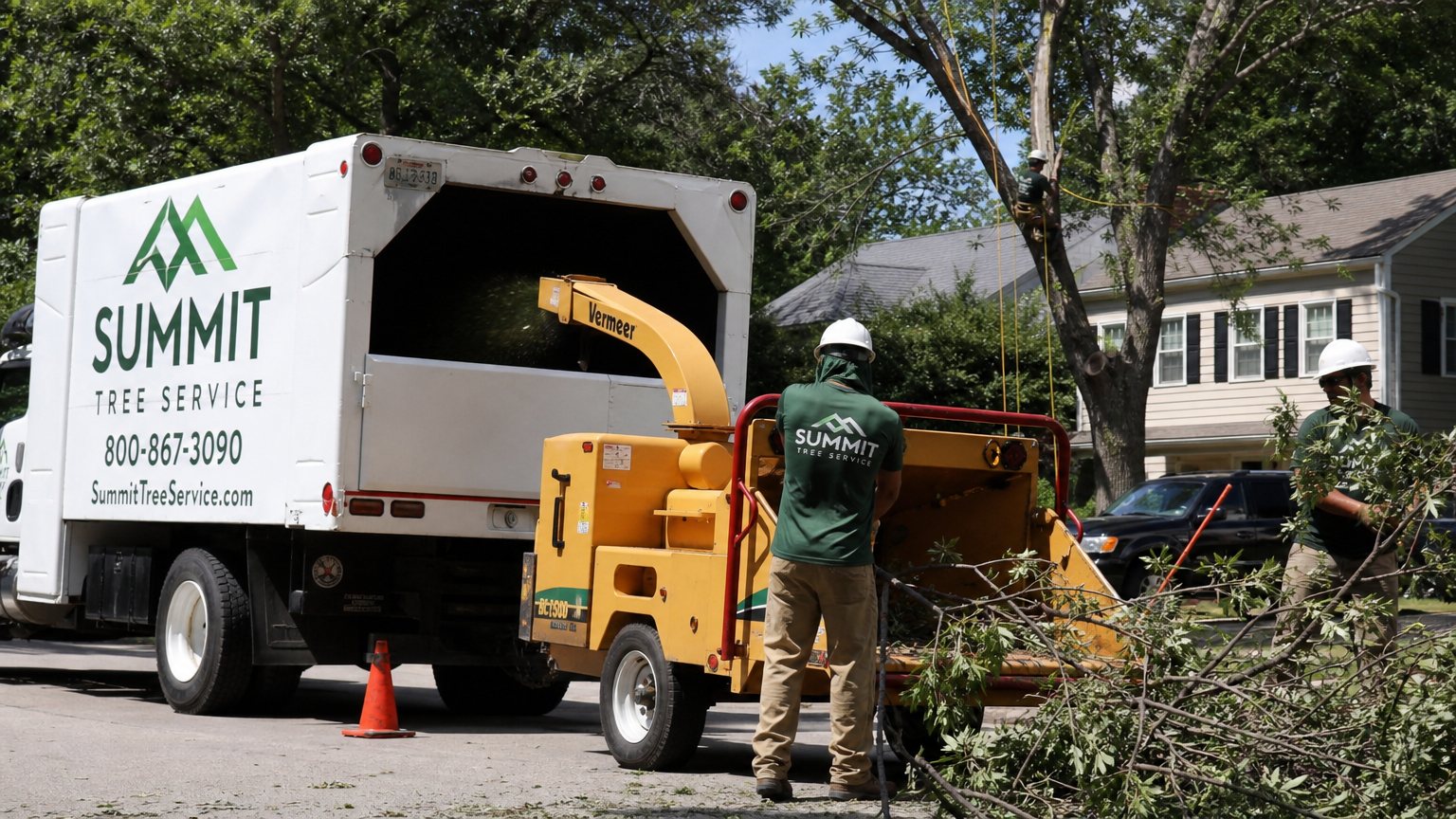
A lot of tree service owners tell themselves they will catch up on the books once a year, right before tax time. It sounds practical: stay focused on climbing, quoting, running crews, and getting jobs done now, then deal with paperwork later. But for a tree service business, waiting until year-end usually creates more work, less useful information, and more expensive surprises.
The biggest problem is that a year’s worth of transactions does not tell a clear story when it is reviewed all at once. Receipts get lost in trucks, fuel charges blend together, equipment repairs are hard to remember, and deposits from customers may not match neatly to completed jobs. By the time tax season arrives, it can take hours to figure out whether a charge was for a chipper repair, a new saw, PPE, dump fees, or something personal.
That matters because tree work has real operating costs that add up fast. Fuel, chains, maintenance, insurance, payroll, subcontracted crane work, disposal fees, and equipment payments can all eat into a job’s profit. If those costs are only sorted once a year, the owner may spend months believing certain jobs or crews are profitable when they are actually barely breaking even.
Regular bookkeeping is not just about giving a tax preparer cleaner numbers. It helps show what is happening in the business while there is still time to act. If storm cleanup work brings in plenty of revenue but also drives overtime, fuel, and equipment wear through the roof, monthly books make that visible. If a certain type of pruning job consistently produces a better margin than removals, that information can help with quoting and scheduling.
Waiting until tax time can also lead to missed deductions. A tree service owner may remember the big purchases, such as a truck or skid steer, but forget smaller expenses that occurred throughout the year. Work gloves, safety gear, software subscriptions, cell phone costs, licensing fees, shop supplies, and meals during qualifying business travel are easier to document when they are reviewed regularly instead of reconstructed from memory.
There is also a cash-flow issue. A business can look busy and still be short on cash. Customers may owe invoices, insurance premiums may be coming due, payroll may be rising, or a truck payment may be putting pressure on the bank account. Up-to-date books help separate a busy calendar from a healthy business. They give the owner a clearer view of what can be paid, what needs to be collected, and whether it is time to hold back cash for taxes.
Catching up once a year often makes tax planning impossible. When the books are current in the fall, an owner can get a reasonable estimate of taxable income and discuss options before December 31. When everything is handed over in March or April, most decisions are already locked in. At that point, the focus is usually on filing accurately and paying what is due, not looking for proactive ways to plan.
For businesses with employees or subcontractors, the risk of delay is even greater. Payroll records need to line up with the books, contractor payments need to be tracked for possible 1099 reporting, and tax payments should not become an afterthought. A last-minute cleanup can uncover missing information at exactly the time everyone is already under pressure.
The good news is that staying current does not mean the owner needs to spend every evening buried in spreadsheets. It means having a simple routine and the right support. Bank and credit card accounts should be reconciled, income should be connected to real jobs, major expenses should be categorized correctly, and questions should be addressed while the details are still fresh.
For a tree service owner with one crew or twenty employees, clean monthly bookkeeping creates better decisions all year long and a much calmer tax season. Blackfin Accounting works with service contractors who need bookkeeping and tax support that fits the way field-based businesses actually operate. If the books have been pushed to the back burner, a conversation with Blackfin Accounting can be a good first step toward getting caught up and staying ahead.
This article is general information, not tax, legal, or investment advice. Every business is different, so call us at 406-404-8955 to talk about yours.

Chris Kimbell, Founder of Blackfin Accounting
About Chris and Blackfin